

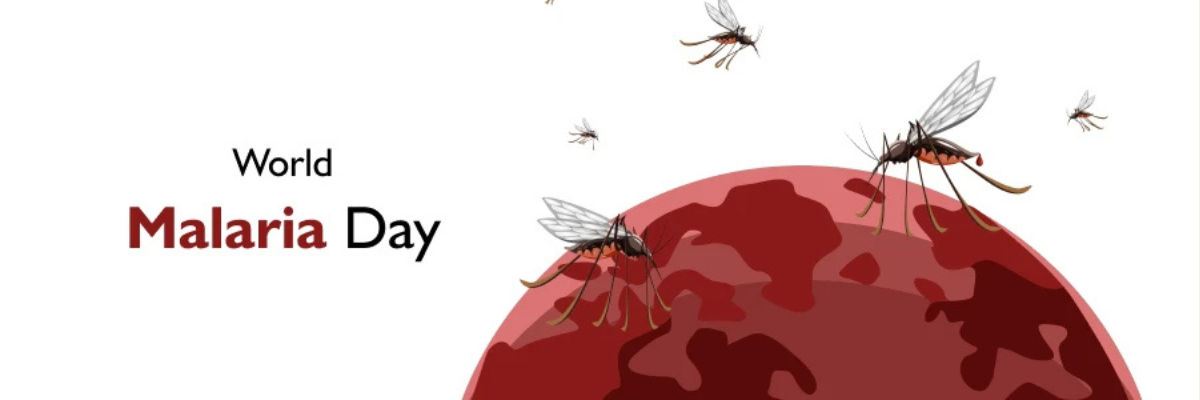
World Malaria Day 2026
costs and higher productivity, especially in rural and tribal regions.
3. Urban Threats Are Rising
Rapid urbanisation has enabled vectors like Anopheles stephensi to spread malaria in cities—making urban awareness just as important.
United Against Malaria
Every year on April 25, the world unites to observe World Malaria Day—a powerful global movement led by the World Health Organization. More than just a day of awareness, it’s a call to accelerate action against one of humanity’s oldest and deadliest diseases.
Why This Day Still Matters
The 2026 theme, “United Against Malaria,” delivers a clear message: no single entity can win this fight alone.
Despite decades of progress, malaria continues to challenge global health systems:
263 million cases reported worldwide (2023)
597,000 lives lost, many of them children
95% of cases concentrated in Africa
Malaria is caused by parasites transmitted through infected mosquitoes. It is preventable and treatable—yet remains deadly where awareness, timely diagnosis, and healthcare access are limited.
World Malaria Day was officially established in 2007 at the World Health Assembly and first observed in 2008. It evolved from Africa Malaria Day—transforming a regional concern into a unified global mission.
India’s Remarkable Progress
For India, World Malaria Day is more than symbolic—it reflects a public health success story in progress.
Key achievements:
80%+ reduction in malaria cases since 2015
Exit from WHO’s High Burden to High Impact (HBHI) group
Clear national goals:
Zero indigenous cases by 2027
Complete elimination by 2030
This progress is driven by coordinated efforts from institutions like the National Center for Vector Borne Diseases Control, along with state governments and frontline health workers.
Why Malaria Control Is Critical for India
1. Public Health Security
Malaria disproportionately affects children under five and pregnant women, making it a critical health priority.
2. Economic Growth
Fewer infections mean reduced healthcare
Mumbai’s Model: A City-Level Fightback
Cities like Mumbai are leading the charge with aggressive, targeted interventions:
Construction Site Surveillance to monitor high-risk zones
Zero Mosquito Breeding Drives with door-to-door inspections
Mandatory Case Reporting for faster containment
Biological Control using larvivorous fish
Affordable Testing through public health programs
The Role of Advertising & Communication Agencies
For agencies, World Malaria Day is not just a campaign moment—it’s a behavior change opportunity.
Strategic Approaches That Work:
1. Visual Storytelling with Impact
Transform abstract risks into powerful visuals—making the invisible threat visible.
2. Behaviour Change Campaigns (BCC)
Move from awareness to action:
“Test early, treat fully”
“No stagnant water, no mosquitoes”
3. Tailor messaging for:
Urban housing societies
Construction workers
Rural communities
4 Influencer & Community Integration
Amplify impact through local voices, grassroots champions, and trusted platforms.
5. Corporate & CSR Alignment
Integrate malaria awareness into ESG and sustainability narratives, especially in high-risk regions.
The Way Forward
World Malaria Day 2026 reminds us:
Awareness must translate into action
Prevention must become a daily habit
Collaboration must remain strong and sustained