

World Consumer Rights Day and the Power of Social Media
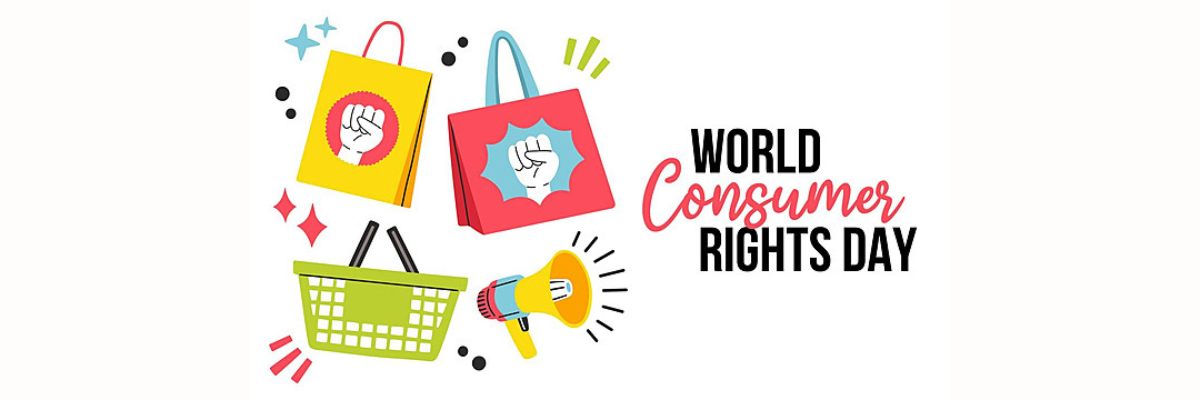
Observed annually on March 15, World Consumer Rights Day promotes global awareness of consumer rights, ethical market practices, and resistance against unfair trade practices. The date commemorates the 1962 address by John F. Kennedy, who formally articulated four fundamental consumer rights:
The Right to Safety
The Right to be Informed
The Right to Choose
The Right to be Heard
Over the decades, the movement has expanded to include issues such as sustainable consumption, digital privacy, and online marketplace transparency.
In the old days consumers grumbled, but didn’t complain:
For every 50 dissatisfied customers, less than one filed a formal complaint. Most were content to just switch brands.
Social Media the game changer
The internet—and more specifically social media—has fundamentally altered complaint dynamics.
Social media has indeed evolved into a primary, high-speed forum for consumer, social, and political complaints, transforming how individuals hold brands and institutions accountable.
Unlike traditional call centers or email queues, a public post can trigger immediate escalation. A single negative comment, visible to thousands (or millions), carries reputational risk. Consequently, companies often respond within hours—sometimes minutes—to mitigate damage.
Social media has effectively shifted complaint resolution from a private transaction to a public accountability mechanism.
Institutional Response: A Case Example
Indian Railways demonstrates how digital systems can strengthen consumer redressal.
Integrated Helpline: 139
Average volume: Over 3 lakh calls/SMS per day
In certain zones, average grievance resolution time: 37 minutes
Emergency First Response Time (FRT): 8 minutes
This model illustrates how technology-enabled systems can dramatically improve responsiveness and consumer confidence.
Safeguarding Consumers from Misleading Communication
World Consumer Rights Day also highlights protection against:
False advertising
Misleading claims
Exploitative messaging targeting vulnerable groups (children, elderly, rural consumers)
In India, Advertising Standards Council of India (ASCI) establishes ethical guidelines to ensure truthful representation and fair competition.
. Brands that respond with transparency, agility, and integrity will sustain trust; those that ignore consumer voices risk public scrutiny at scale.
Advertising agencies play a critical gatekeeping role. Agencies like Paramin function as compliance filters—ensuring that messaging is accurate, culturally sensitive, legally sound, and ethically responsible before reaching the public domain.
World Consumer Rights Day is therefore not just a symbolic observance. It is a reminder that empowered consumers, empowered by social media, are reshaping accountability in the marketplace