


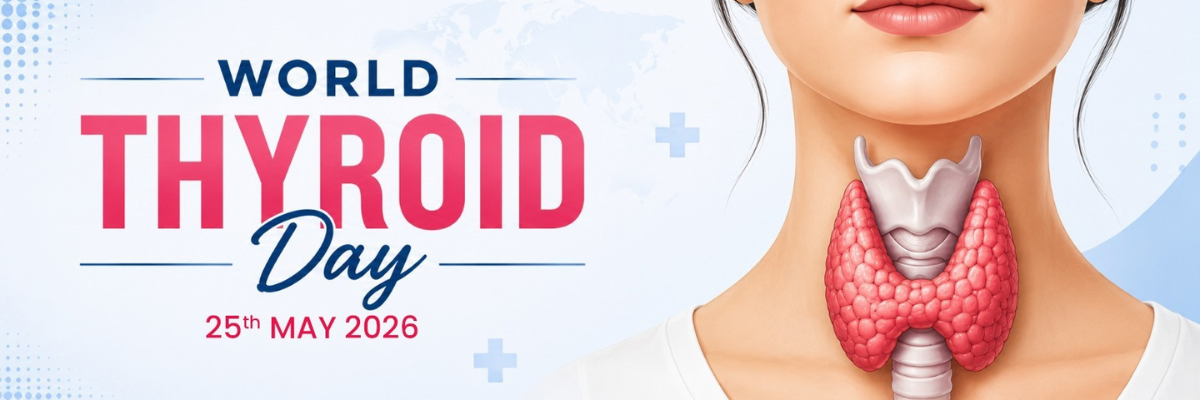
International Thyroid Awareness Week (ITAW) in 2026 was observed from May 25 to May 31.
This year’s campaign centered on the theme “Thyroid and Nutrition”, which emphasized how vital nutrients (such as iodine, selenium, and zinc) impact hormone synthesis and overall metabolic health.
Every year, millions of Indians silently struggle with thyroid disorders without even knowing it.
Constant fatigue, sudden weight gain, hair fall, anxiety, mood swings, irregular periods, or feeling unusually cold or restless are often dismissed as stress, ageing, or lifestyle issues. But in many cases, the real cause lies in a small butterfly-shaped gland in the neck — the thyroid.
Thyroid disorders are among the most common hormonal conditions in the world, second only to diabetes. In India, they affect people across cities, towns, and rural regions, yet awareness remains surprisingly low.
Why the Thyroid Matters
The thyroid gland controls the body’s metabolism through hormones called T3 and T4. These hormones influence almost every major function in the body, including:
Energy levels
Heart rate
Weight management
Mood and concentration
Fertility and pregnancy
Digestion
Body temperature
Bone health
When the thyroid becomes underactive or overactive, the entire body feels the impact.
Common Thyroid Disorders
Hypothyroidism (Underactive Thyroid)
The thyroid produces too little hormone, slowing the body down.
Common symptoms include:
Fatigue
Weight gain
Hair fall
Dry skin
Feeling cold
Depression or brain fog
Constipation
Irregular periods
Hyperthyroidism (Overactive Thyroid)
The thyroid produces excess hormone, pushing the body into overdrive.
Symptoms may include:
Weight loss
Rapid heartbeat
Anxiety and irritability
Sweating
Tremors
Sleep problems
Frequent bowel movements
The Biggest Problem: Late Diagnosis
The good news is that most thyroid disorders are manageable and treatable.
The challenge is that many people delay testing for years because symptoms appear gradual and are mistaken for everyday stress or exhaustion.
A basic thyroid blood test can often identify the problem within hours.
How Thyroid Dysfunction Influences Type 2 Diabetes
While a thyroid issue does not directly “cause” diabetes on its own, it alters your physiology to create the perfect environment for insulin resistance, the root driver of Type 2 diabetes.
Slowed Glucose Disposal: When thyroid hormones drop, your muscles and tissues slow down their absorption of sugar from your blood.
When thyroid function drops, your lipid panel changes rapidly
Fewer LDL Receptors: Thyroid hormones normally signal your liver to build LDL receptors. These receptors act like hooks that pull “bad” (LDL) cholesterol out of your blood. Without enough thyroid hormone, these hooks disappear, causing LDL and total cholesterol levels to spike.
Lifestyle cannot replace medical treatment, but healthy habits do support thyroid function.
Helpful practices include:
Using iodised salt
Eating selenium-rich foods like nuts, eggs, and fish
Exercising regularly
Managing stress
Getting adequate sleep
Avoiding excessive self-medication with iodine supplements
A Condition That Should Not Be Ignored
The thyroid may be small, but its impact on health is enormous.
The encouraging reality is that thyroid disorders are among the most treatable medical conditions today. With timely diagnosis, proper medication, and regular monitoring, most people can lead completely normal, healthy lives.
# Please note: This blog is not created by a medical practitioner just a content writer with hypothyroidism .A person who took thyroid for granted till the body literally began shutting down.
Because sometimes, the body whispers long before it screams.