


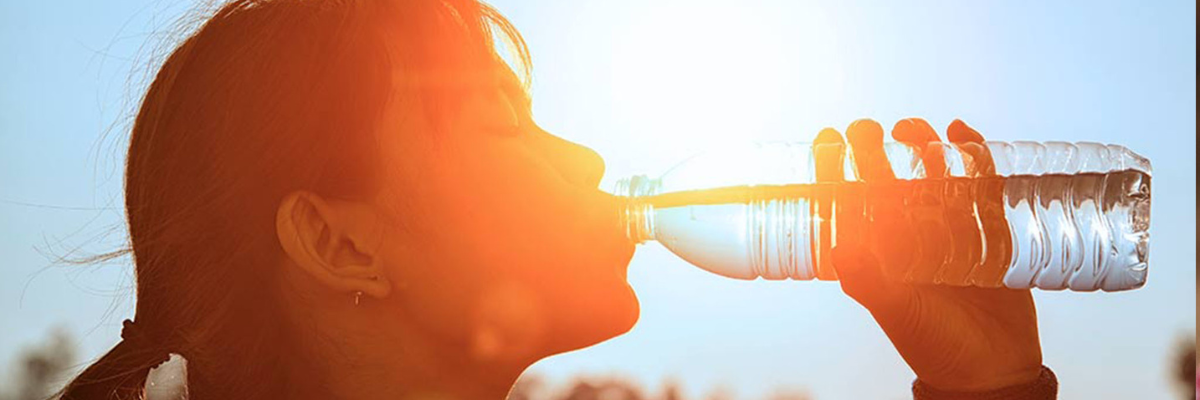
Surviving the Heat Until the Monsoon Arrives Beat the Heat: Your No-Nonsense Guide to Preventing Sunstroke Because “Rukna Nahi” shouldn’t mean “Gir jaana” this summer.
India runs in summer too. Rukna nahi. But running smart means you’ll actually reach home. Stay cool, stay moving. Every year, India waits for the monsoon like a long-awaited guest.
And every year before it arrives, cities and towns across the country face weeks of relentless heat.
Scorching afternoons. Sleepless nights. Dehydration. Fatigue. Heatwaves are no longer occasional summer discomforts — they have become a serious health and lifestyle challenge.
Until the rains finally bring relief, managing extreme heat is essential not just for comfort, but for safety and well-being.
This May-June in India isn’t weather. It’s a test match. 45°C, power cuts, and that loo wind that feels like someone opened an oven door in your face.
Why Extreme Heat Feels Worse Today
Urban heat, concrete buildings, traffic pollution, reduced green cover, and changing climate patterns have made summers harsher than before. Even mornings and evenings remain unusually warm.
Sunstroke, or heatstroke, isn’t just “feeling giddy”. It’s your body’s cooling system crashing. Body temp hits 104°F+, organs start failing. People land in hospitals every year.
Mostly outdoor workers, drivers, kids, elders. Here’s how you stay on your feet when the sun decides to go full Tandoor.1. Water: Drink Before You’re ThirstyThirst = you’re already 2% dehydrated.
That’s 8-12 glasses. Keep a 1L bottle. Finish 1 before lunch, 1 before evening. Not just water: Sweat drains salt. Add ORS, nimbu-paani with black salt, or buttermilk.
Skip cola — sugar + caffeine actually dehydrate you.
If your urine is dark yellow, you’re late. Aim for pale, like nimbu water.
Excessive heat affects:
Energy levels
Sleep quality
Productivity
Skin and hydration
Heart and respiratory health
Mental fatigue and irritability
Children, senior citizens, outdoor workers, and people with medical conditions are especially vulnerable.
Simple Ways to Stay Safe During Heat waves Hydration Is Non-Negotiable
Do not wait to feel thirsty.Drink water regularly through the day and include:
Coconut water
Buttermilk
Lemon water
Fresh fruit juices
ORS when required
Water-rich fruits like watermelon, cucumber, muskmelon, and oranges also help maintain hydration.
Avoid excessive caffeine, sugary soft drinks, and alcohol, which can increase dehydration.
Dress for the Weather
Dress Like You Mean to Survive Black absorbs heat. Tight clothes trap it. Your body needs to sweat and let that sweat evaporate.
Do this: White/loose cotton: Kurta, loose shirt, salwar. Lets air flow. Reflects sun. Cover up: Cap, gamcha, full sleeves. More skin covered = less direct heat load.
Goggles + umbrella: Not style, survival. UV burns your eyes. Umbrella drops felt temp by 6-8°C.
Light-coloured, loose cotton clothing helps the body stay cooler.
Comfortable footwear
Time It Right: 12PM to 4PM is the Danger ZoneSun is angriest when it’s directly overhead.
“Mad dogs and Englishmen”: If you must be out, take 10-min shade breaks every 30 min.
Eat Light :Heavy, oily meals generate more body heat and can make you feel sluggish.
Prefer:
Fresh fruits
Salads
Curd and yoghurt
Light home-cooked meals
Smaller meals through the day are often easier on the body during extreme heat.
Keep Indoor Spaces Cooler
Simple changes can make homes more comfortable:
Keep curtains closed during peak sunlight hours Use fans efficiently along with ventilation Switch off unnecessary lights and appliances Use indoor plants where possible
Even reducing direct sunlight entering rooms can lower indoor temperatures significantly.
Watch for Signs of Heat Exhaustion Heat-related illness can escalate quickly.
Common warning signs include:
Dizziness
Excessive sweating
Headache
Nausea
Muscle cramps
Rapid heartbeat
Extreme fatigue
In severe cases, confusion or fainting may indicate heatstroke and require immediate medical attention.
Caring for Others Matters Too
During extreme summers, community care becomes important.
Check on:
Elderly neighbours
Outdoor workers
Delivery personnel
Stray animals
Keeping water bowls outside for birds and animals can make a meaningful difference during peak heat.
The Monsoon Will Arrive — But Preparedness Matters Until Then
The first rain always feels magical after weeks of oppressive heat.
But until the monsoon clouds finally gather, staying cautious, hydrated, and heat-aware is essential.
Summer may test our endurance every year, but small daily precautions can help us stay healthier, safer, and more resilient through the hottest weeks of the season.